Define the outcome
Turn an agreed priority into a project with a clear purpose, scope, and shared understanding of what completion should mean.

A focused workspace for member management, meetings, finances, communication, and governance.
Get StartedAsovex helps officers, committees, and members define projects, assign responsibility, coordinate activity, keep supporting records together, and carry useful context from the first decision through completion.
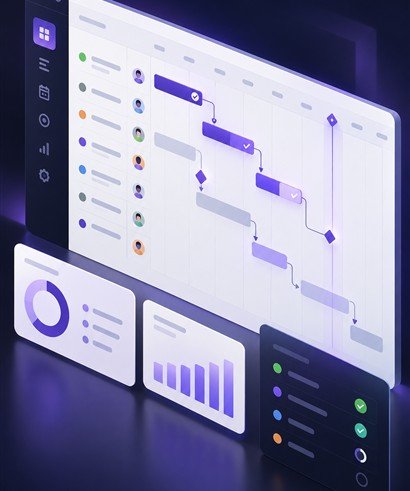
An association project rarely belongs to one person. It may begin with a meeting decision, depend on documents and approvals, involve a committee, require member communication, and continue after an officer’s term ends.
When work is spread across chat threads, personal task lists, email, and unrelated files, the team can lose sight of ownership, changes, unresolved decisions, and the reason the project exists.
Asovex gives project work a durable association context so people can coordinate the initiative while the organization retains the knowledge created around it.
Keep the intended outcome visible.
Make responsibility understandable.
See what is moving and blocked.
Retain context beyond one term.
Structure should help a team understand the work, not bury volunteers in administration. A practical rhythm keeps the most important context visible at each stage.
Turn an agreed priority into a project with a clear purpose, scope, and shared understanding of what completion should mean.
Bring responsible officers, committees, members, and contributors around the same project context.
Break the outcome into practical activities, owners, milestones, supporting documents, and decisions.
Keep progress, dependencies, changes, and unresolved work visible enough for the team to act.
Retain useful project history so reporting, handover, review, and future work begin with reliable context.
A project can look active while remaining unclear. Before assigning tasks, establish the operating questions that give the team a common direction and prevent avoidable rework.
Connect the purpose, responsible people, expected outcome, important dates, and reference material before individual actions multiply.
The result is not bureaucracy. It is a shared point of reference for decisions, updates, and accountability.
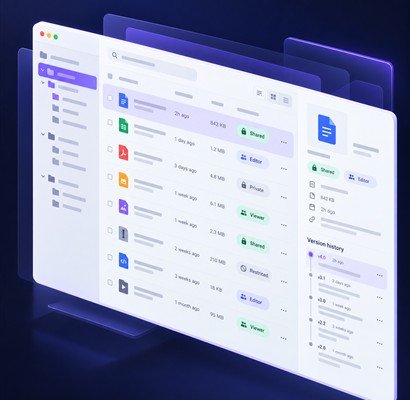
Progress is easier to understand when updates are more specific than “in progress.” Asovex helps teams maintain the operational context surrounding the work.
A good project view answers the practical questions people ask when deciding where attention is needed.
See initiatives currently requiring time, coordination, and oversight.
Keep responsibility visible instead of assuming someone else will follow through.
Identify approvals, documents, decisions, and dependencies holding work back.
Retain enough history to understand revised scope, dates, ownership, or direction.
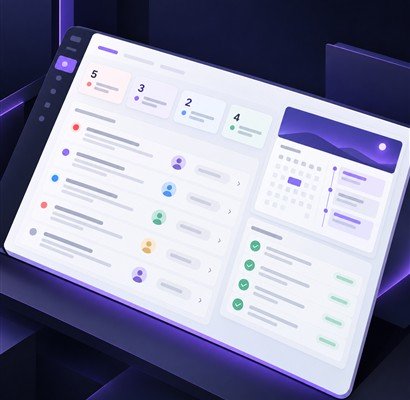
A completed initiative can become valuable organizational knowledge. The useful record explains what the association intended, who participated, which decisions shaped the outcome, where supporting material belongs, and what should happen next.
Volunteer terms end, committees rotate, and responsibilities change. The project should remain understandable through those transitions.
Give the next person the purpose, previous activity, decisions, documents, dependencies, and current state without reconstructing everything from private channels.
Confirm what is complete, what remains open, which relationships matter, and what authority the new owner has.
Maintain appropriate access and a shared record so work does not depend on one person’s device, inbox, or memory.
Different projects benefit from a consistent way to connect purpose, ownership, activity, and records.
Coordinate the preparation work surrounding conferences, member events, annual meetings, workshops, and recurring programmes.
Manage reviews, revisions, approvals, publication steps, and the people responsible for important association documents.
Give committees a defined workspace for initiatives that run across meetings, members, documents, and follow-through.
Organize onboarding, records cleanup, process changes, digital migration, and other internal improvement work.
Coordinate communication, participation, outreach, feedback, and the work behind member-facing initiatives.
Maintain tasks and records around elections, reviews, resolutions, officer transitions, and approved action.
Association teams often need project work connected to members, leadership roles, meetings, documents, and governance—not isolated in a generic project silo.
Look for structure people can maintain consistently, with enough visibility for oversight and continuity for future officers.
See how Asovex worksAsovex keeps project coordination within the broader association environment, without rebuilding members, roles, meeting history, documents, and communication in a separate silo.
Understand how structured project coordination supports association initiatives without unnecessary complexity.
Association project management software gives member-led organizations a structured place to define initiatives, assign responsibility, coordinate participants, organize documents, monitor milestones, and preserve the history behind completed work.
A task list records actions. An association project usually also needs purpose, ownership, participants, documents, meeting decisions, deadlines, dependencies, communication, reporting, and continuity when roles change.
Yes. Projects can be understood within the wider association context, including the members who participate and the officers, committees, or leadership roles responsible for oversight.
Asovex is designed to keep association work connected. Project files, supporting records, meeting context, decisions, communication, and responsible people can remain closer to the initiative they support.
A shared project record reduces dependence on private inboxes, personal files, and memory. Incoming leaders can review purpose, progress, documents, decisions, responsibilities, and unresolved work.
Yes. Small associations can begin with focused projects and a practical level of structure. Asovex offers a Free plan for associations with up to 10 members.
Start with one important initiative, connect the people and records around it, and build a project rhythm your association can sustain.