
What is digital association? A digital association is an association that uses online systems to manage members, dues, meetings, documents, communication, voting, reports, and member services in a more connected way. It is not simply an association with a website. It is an association whose daily operations can be managed, tracked, and improved through digital tools.
That definition sounds simple, but it matters a lot. Many associations already use email, WhatsApp groups, spreadsheets, online banking, cloud folders, and social media. Still, members may complain that updates are late, dues records are unclear, documents are hard to find, and leaders spend too much time doing manual work. That is because using digital tools is not the same as becoming a digital association.
A true digital association has a clear system. Members have profiles. Dues are tracked. Receipts can be found. Meetings are scheduled and recorded. Documents are stored in the right place. Leaders know who can access what. Members can receive updates without chasing officers privately. Reports can be pulled when needed. The association becomes easier to understand, easier to run, and easier to trust.
This guide explains what a digital association means in real life, why it matters, what features it should have, what mistakes to avoid, and how a platform like Asovex helps associations move from scattered administration to a more organized digital operating model.
What Is Digital Association in Simple Terms?
In simple terms, a digital association is a membership organization that runs its core work through connected digital systems instead of relying only on paper files, disconnected spreadsheets, private inboxes, and manual follow-up.
The association may still hold physical meetings. It may still print documents when needed. It may still have personal conversations with members. Digital does not remove the human side. It supports it. The goal is not to make the association cold or robotic. The goal is to remove confusion so leaders and members can focus on the purpose of the organization.
For example, a traditional association may keep member names in one spreadsheet, dues payments in another spreadsheet, meeting minutes in a secretary’s email, documents in a cloud folder, and announcements in a group chat. A digital association brings those activities into a structured workflow. The member record connects to dues. The meeting connects to the agenda and minutes. The voting process connects to eligible members. Reports come from real activity instead of guesswork.
That is the difference. A digital association does not only use technology. It uses technology to create order.
Why Associations Are Becoming Digital
Associations are becoming digital because member expectations have changed. People can bank from their phone, join online meetings, receive instant receipts, renew subscriptions, book events, and access documents from almost anywhere. When they join an association, they bring those expectations with them.
Members do not expect perfection. But they do expect clarity. They want to know whether their dues have been received. They want meeting notices on time. They want to find forms, policies, minutes, and event details without sending three reminders. They want decisions to feel fair. They want leaders to communicate in a way that respects their time.
Leaders also need better systems. Many association officers are volunteers or part-time administrators. They may be passionate and capable, but they are often overworked. If the association depends on manual record keeping, leadership becomes heavy. Every transition becomes risky. Every report becomes a scramble. Every dues cycle becomes a stress test.
Digital association management solves this by giving the organization a stable structure. It helps leaders serve members without carrying the entire system in their heads.
A Digital Association Is More Than a Website
One common misunderstanding is that a digital association means having a nice website. A website is useful, but it is only the public face. The real question is what happens behind the website.
A website may tell people who you are, what you do, and how to contact you. It may publish blog posts, events, pricing, or resources. But if your member database is still messy, your dues records are still manual, and your documents are still scattered, the association is not truly digital. It is only visible online.
A digital association needs both public presence and operational structure. Public pages help people discover the association. Internal systems help members and leaders work together after someone joins.
This is why platforms like Asovex focus on the full association workflow, not only the front page. You can explore the wider platform capabilities on the Asovex features page, including membership tools, dues tracking, meetings, documents, reporting, communication, and governance support.
Core Parts of a Digital Association
A digital association can look different depending on the size and type of organization, but the strongest ones usually share the same core parts.
1. Digital Member Management
Member management is the foundation. Every member should have a profile with accurate contact details, membership category, status, role, join date, and relevant history. Leaders should be able to know who is active, inactive, overdue, new, or eligible for certain benefits.
When member records are digital and organized, communication becomes easier. Dues tracking becomes more accurate. Voting eligibility becomes clearer. Reporting becomes more useful. A clean database is not just an admin convenience. It protects the quality of the member experience.
2. Online Dues and Payment Tracking
Dues are often one of the biggest pain points in association management. Members want a simple way to pay. Treasurers want a reliable way to track payments. Boards want accurate financial reports. Nobody wants to argue about whether a payment was made.
A digital association should be able to create dues rules, track invoices, record payments, issue receipts, monitor outstanding balances, and report on collections. For associations that work across regions, multi-currency support can also become important.
If you want a deeper operational guide, the previous Asovex article on how to manage association work explains how dues, member records, meetings, documents, and reports fit into a healthy management system.
3. Meeting Management
Meetings are where many associations make decisions, but they can become messy without structure. A digital association should be able to schedule meetings, share agendas, record attendance, store minutes, attach documents, and follow up on action items.
This matters because meetings are not isolated events. They create decisions that affect members, finances, projects, elections, and policy. When meeting records are connected to the rest of the association, leaders can look back and understand what happened and why.
4. Document Storage
Every association has important documents: constitution, bylaws, policies, reports, minutes, project files, receipts, member forms, and election records. If those documents live in private devices or old email threads, the association is fragile.
Digital document storage gives the association a shared memory. It helps new leaders understand the past. It helps members access what they are allowed to see. It helps protect records during leadership changes.
5. Communication Tools
A digital association communicates with purpose. It can send announcements, reminders, event updates, dues notices, and governance messages to the right people. It can segment communication by role, status, committee, chapter, or membership type.
This reduces noise. Members do not need every message. They need the right message. Digital communication works best when it is tied to member data, not copied from one long list that nobody updates.
6. Voting and Governance
Digital associations can run votes, elections, motions, surveys, and approvals more clearly. This does not mean every decision must be online. It means the association has a reliable way to define eligibility, manage ballots, collect responses, record outcomes, and keep the process transparent.
For associations with active boards, committees, chapters, or member elections, this is especially valuable. Digital governance helps reduce disputes because the process is easier to explain and easier to audit.
7. Reports and Insights
Reports help leaders move from opinion to evidence. A digital association can review membership growth, dues collection, attendance, engagement, document activity, voting participation, and financial performance.
Good reports do not exist only for annual meetings. They help leaders make decisions during the year. If renewals are dropping, leaders can respond. If event attendance is low, the schedule can be reviewed. If dues are overdue, reminders can be improved. If members are inactive, engagement can be rebuilt.

What Digital Association Looks Like for Members
The member experience is the real test. Leaders may love a system, but if members still feel confused, the transformation is incomplete.
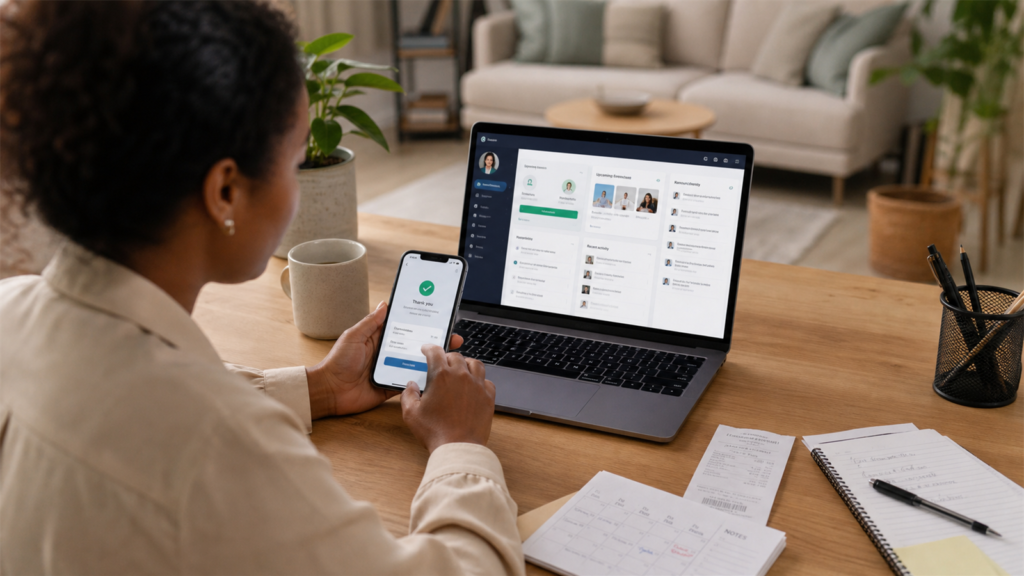
In a strong digital association, a member can understand their relationship with the organization more easily. They can update their profile, see dues status, receive receipts, view meeting notices, access documents, register for events, participate in votes, and receive relevant announcements.
This does not mean members must log in every day. Most members will not. But when they need something, it should be easy to find. That small convenience builds trust over time.
For example, imagine a member receives a dues reminder. Instead of asking the treasurer for payment details, the member can log in, see the invoice, pay through the approved method, and receive confirmation. Later, if they need proof of payment, the receipt is still available. That one workflow saves time for both the member and the treasurer.
Or imagine an annual meeting is coming. Members can receive the notice, review the agenda, read attached documents, confirm attendance, and later access the approved minutes. That creates a more respectful and transparent process.
What Digital Association Looks Like for Leaders
For leaders, a digital association means less chasing and more steering. The president can see high-level activity. The secretary can manage meetings and documents. The treasurer can track dues and reports. Committee leaders can work with the records they need. Members can serve themselves for simple tasks.
This changes the tone of leadership. Instead of asking, “Who has the latest list?” leaders can ask, “What does the data tell us?” Instead of spending a whole weekend preparing a dues report, the treasurer can review current figures. Instead of a new secretary starting from nothing, records are already organized.
Digital systems also reduce leadership risk. When an officer resigns, travels, becomes unavailable, or leaves the association, the organization should not lose its memory. Records, roles, payments, documents, and minutes should remain inside the association’s system.
Benefits of a Digital Association
The benefits of becoming digital are practical. They show up in daily work, member trust, and leadership confidence.
Better Organization
A digital system gives the association one place to manage important information. Instead of digging through old messages, leaders can find records quickly. This saves time and reduces mistakes.
Improved Member Trust
Members trust associations that communicate clearly, handle money carefully, and keep records properly. When members can see their status, payments, notices, and documents, the association feels more reliable.
Faster Administration
Manual work slows associations down. Digital workflows reduce repeated tasks such as updating lists, sending reminders, issuing receipts, preparing reports, and searching for documents.
Stronger Financial Control
Dues, invoices, receipts, and reports become easier to manage when they are connected. Treasurers can spend less time reconciling confusion and more time supporting financial planning.
Clearer Governance
Voting, roles, permissions, minutes, and official documents become easier to track. This protects fairness and helps the association defend decisions when questions arise.
Easier Growth
A small association can survive with manual systems. A growing association usually cannot. Digital structure makes it easier to add members, chapters, committees, events, and reports without losing control.
Common Examples of Digital Associations
Digital association models can work across many types of membership organizations.
A professional association may use digital tools to manage members, collect yearly dues, publish resources, organize webinars, run board elections, and track continuing education activity.
An alumni association may use a digital platform to maintain graduate records, announce reunions, collect contributions, manage chapters, share opportunities, and support projects.
A cooperative society may use digital systems for member records, contributions, meetings, loan or savings reports, voting, and document storage.
A nonprofit membership organization may use digital association tools to track volunteers, donors, events, compliance files, board documents, and communication.
A community association may use digital workflows for projects, dues, neighborhood updates, meeting minutes, attendance, and member participation.
The details change, but the pattern remains the same. Digital association work connects people, money, records, communication, and decisions.
Digital Association vs Traditional Association
A traditional association can be strong, committed, and meaningful. The issue is not tradition itself. The issue is whether the management system can support the association’s current needs.
In a traditional setup, records often sit in separate places. Payments may be confirmed manually. Meetings may depend on one person’s notes. Documents may be hard to find. Reports may take days to prepare. Members may need to contact officers for simple information.
In a digital setup, the association still has leaders, members, meetings, rules, and culture. But the work is more visible and more connected. Members can self-serve where appropriate. Officers can manage their roles with better tools. Reports come from the system. Institutional memory stays inside the association.
The best associations keep the warmth of community while improving the structure behind it.
How to Start Building a Digital Association
You do not have to digitize everything at once. In fact, trying to change everything overnight can create resistance. Start with the areas that cause the most pain.
First, clean the member list. Remove duplicates, update contacts, define active and inactive status, and agree on membership categories.
Second, organize dues. Decide dues rules, payment timelines, receipt process, grace period, and who can approve adjustments.
Third, create a document structure. Put official documents in one place and decide who can view or edit each category.
Fourth, standardize meetings. Use one agenda format, record attendance, attach documents, and store minutes consistently.
Fifth, improve communication. Segment messages and make sure member contact details are current.
Sixth, review tools. If spreadsheets and chats are slowing the association down, compare software that can bring the work together. The How It Works page explains how Asovex supports setup, configuration, and daily association operations.
What to Look for in Digital Association Software
The right software should fit the way associations actually work. It should not feel like a generic business tool forced into a membership environment.
Look for these features:
- Member profiles and membership status tracking
- Dues, invoices, receipts, and payment records
- Meeting scheduling, agendas, attendance, and minutes
- Document storage with access control
- Role-based permissions for officers and members
- Communication tools for reminders and announcements
- Voting, elections, motions, or governance workflows
- Dashboards, reports, and exports
- Support for growth, multiple roles, and changing needs
Asovex is built around these association needs. You can review the features, compare pricing, or visit the Asovex blog for more guides on membership operations and association growth.
Mistakes to Avoid When Going Digital
The first mistake is digitizing messy data without cleaning it. If the member list is wrong, the digital version will also be wrong. Clean before importing.
The second mistake is choosing tools without defining the workflow. A platform can help, but leaders still need rules for dues, meetings, documents, roles, and reporting.
The third mistake is ignoring members. A digital association should make life easier for members, not only administrators. Explain what is changing and why it helps them.
The fourth mistake is giving too much access too quickly. Set permissions carefully. Financial records, personal data, documents, and governance tools need responsible access control.
The fifth mistake is expecting instant perfection. Digital transformation is a process. Start with the most important workflows, train leaders, listen to members, and improve steadily.
Is Every Association Ready to Become Digital?
Almost every association can benefit from some level of digital management, but readiness varies. A small group with ten members may not need every advanced feature on day one. It may only need a clean database, simple dues tracking, and organized documents.
A larger association with hundreds of members, committees, chapters, recurring dues, frequent meetings, and elections will need a more complete platform sooner. The more people involved, the more expensive confusion becomes.
The question is not whether your association is too small or too traditional. The better question is: where are we losing time, trust, or information? That answer will show where digital systems can help first.
Why Digital Association Management Matters for the Future
Associations survive when members see value. That value may be professional development, networking, advocacy, welfare, community, education, shared resources, or collective action. But value is harder to deliver when the association is buried under admin problems.
Digital association management gives leaders a better foundation. It helps them serve members consistently, protect records, manage money carefully, and make decisions with better information.
It also makes associations more resilient. Leadership will change. Member expectations will change. Payment methods will change. Meeting habits will change. A digital structure helps the association adapt without losing itself.
Final Thoughts
So, what is digital association? It is an association that uses connected digital systems to manage its people, money, meetings, records, communication, decisions, and growth. It is not just about technology. It is about clarity.
A digital association helps members feel informed. It helps leaders work with confidence. It helps treasurers track money properly. It helps secretaries protect records. It helps boards make better decisions. Most importantly, it helps the association spend less energy fighting confusion and more energy serving its purpose.
If your association is ready to move beyond scattered spreadsheets and manual follow-up, start with the basics: clean member records, clear dues rules, organized documents, structured meetings, role-based access, useful reports, and a member experience that feels simple. Then choose tools that support that workflow.
Asovex brings those pieces together for associations that want a more organized way to manage members, dues, meetings, documents, reports, communication, and governance. Visit Asovex, explore the platform features, see how it works, or compare pricing plans when you are ready to build a stronger digital foundation.
Frequently Asked Questions
What is digital association?
A digital association is a membership organization that uses online systems to manage members, dues, meetings, documents, communication, voting, reports, and member services. It helps the association run with more clarity and less manual work.
Is a digital association the same as an online community?
No. An online community usually focuses on discussion and engagement. A digital association includes community, but it also manages official operations such as membership records, dues, meetings, documents, reports, roles, and governance.
Why should an association go digital?
An association should go digital to save time, improve member experience, reduce record-keeping mistakes, track dues more clearly, protect documents, communicate better, and make leadership transitions easier.
Can a small association become digital?
Yes. A small association can start with basic digital member records, dues tracking, document storage, and communication. It does not need every advanced feature immediately. The goal is to create a clean foundation that can grow.
What tools does a digital association need?
A digital association usually needs member management, payment or dues tracking, meeting management, document storage, communication tools, role-based permissions, reporting, and sometimes voting or election tools.
How does Asovex support digital associations?
Asovex supports digital associations by bringing member management, dues, meetings, documents, reports, communication, roles, and governance workflows into one platform. You can learn more on the Asovex features page.